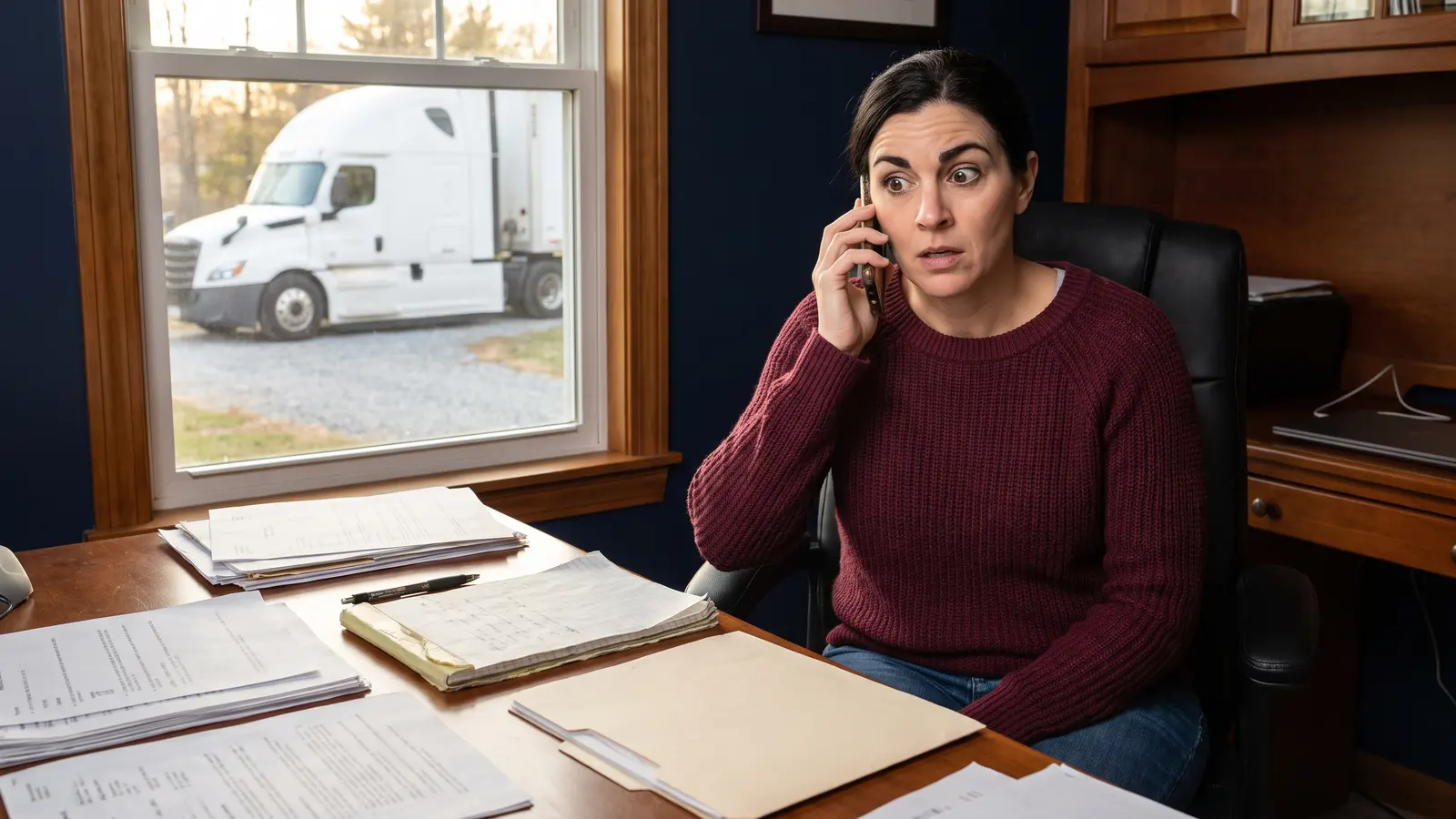
If a broker calls about a load you never booked, someone may be using your MC number. Check your contact details on FMCSA's SAFER system right away and correct anything you didn't change. Secure your email and FMCSA accounts, warn your insurer, load boards and factoring company, and report it to FMCSA, the FBI and local police.
How do scammers steal or misuse an MC number?
There are three common ways. Some scammers simply copy your company's public information and pose as you with a lookalike email address. Others take over your email or registration accounts and change your contact details with FMCSA. Some buy a working authority outright. In every case, the MC number on the paperwork is real.
- Impersonation. Your company name, MC and USDOT numbers and insurance details are public by design. A scammer can put them on a fake rate confirmation and email brokers from an address that is one letter off from yours.
- Account takeover. The FBI has warned that criminals hack carrier accounts through phishing emails, then change the carrier's contact and insurance information with FMCSA. After that, a broker who checks SAFER sees the scammer's phone number as yours. See how cyber cargo theft works.
- Buying an authority. CargoNet has reported thieves buying carriers outright, and warns that selling an operating authority to criminals may bring civil or criminal liability. FMCSA says a USDOT number may not be sold, rented or leased, operating authority can't be sold apart from a legitimate business sale, and it will move to inactivate a USDOT number used by anyone other than the company it was issued to.
What are the signs someone is using my MC number?
The first sign is usually a call or email about a load you don't recognize. Others show up in your insurance questions, your FMCSA record and your inbox. If any of these happen, check your SAFER record and your email settings the same day:
- A broker or shipper asks about a pickup, delivery or payment you know nothing about.
- Your insurer gets claims or questions about loads you didn't haul.
- Your phone number, email or address on SAFER isn't what you set.
- Brokers mention emails from an address that looks like yours but isn't.
- Your email has forwarding or auto-delete rules you didn't create.
- You get sign-in alerts or code requests you didn't ask for.
What should I do first if my MC number is stolen?
Fix your official contact details first, because that is what brokers check. Then lock down your accounts, warn the people who do business with you, and report it. FMCSA's identity theft guidance recommends these steps:
- Check SAFER. Look up your Company Snapshot on FMCSA's SAFER system and make sure your phone numbers are correct and visible. If something changed that you didn't change, contact FMCSA right away.
- Secure your accounts. Change the passwords on your email, FMCSA registration and load board accounts from a clean device, and turn on two-step sign-in.
- Notify your partners. Tell your insurer, every load board you use and your factoring company.
- Warn customers. FMCSA suggests posting a notice on your website and social media so brokers know which phone numbers and email addresses are really yours.
- Save everything. Keep the emails, call logs, rate confirmations and names of anyone who contacted you about loads you didn't book.
How do I report carrier identity theft?
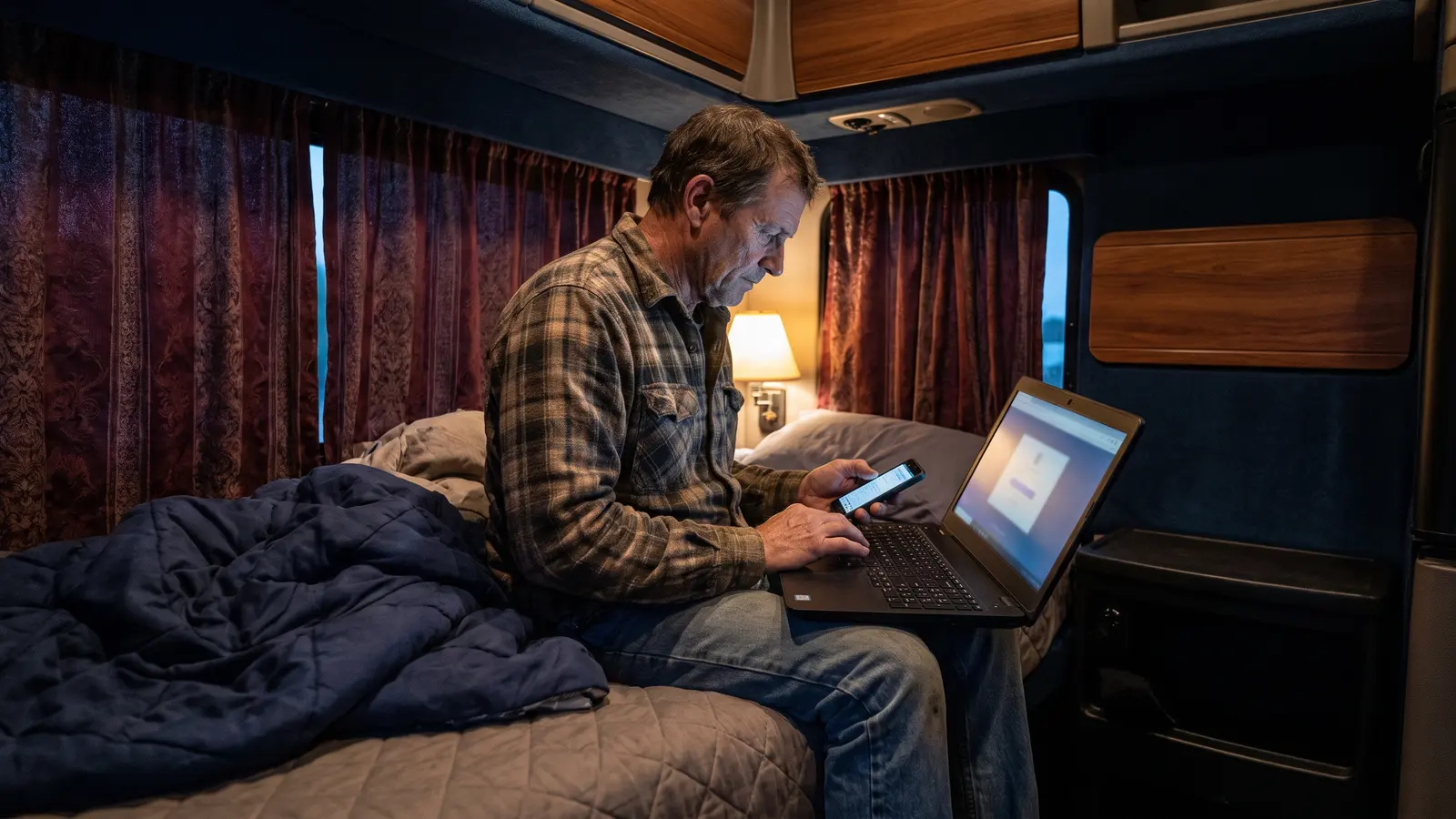
Report carrier identity theft to FMCSA, the FBI and local police, and keep the case numbers they give you. FMCSA's Complaint Center has a category for registration-related fraud and identity theft. The FBI takes online fraud at ic3.gov. A police report helps with insurers and with any broker who thinks your company did something it didn't.
- FMCSA Complaint Center: complaint.fmcsa.dot.gov. You get a case number when you submit.
- FMCSA Contact Center: 1-800-832-5660
- DOT Office of Inspector General hotline: (800) 424-9071
- FBI Internet Crime Complaint Center: ic3.gov
- Federal Trade Commission: reportfraud.ftc.gov
- Local police and your state attorney general
Is the company on the paperwork always the scammer?
No, and this matters for everyone in freight. When a load goes wrong under a company's name, that company may be the victim, not the thief. FMCSA's fraud guidance says the real broker may also be a victim, and the same is true of carriers. That is why we treat every complaint as an allegation until the evidence shows who actually did what.
If a broker blames your company for a load booked by an impersonator, keep your records together and respond with facts. You can file a free complaint with us to get the timeline organized and reviewed.
How do I keep my MC number from being stolen again?
You can't hide an MC number, but you can make your accounts hard to take over and notice changes quickly. Use two-step sign-in everywhere, and use a company email domain instead of a free address. Go to FMCSA's site directly rather than through links in emails. Check your SAFER record every month, and keep your phone number answered.
FMCSA's new registration system, Motus, requires a Login.gov account and identity checks with a government ID, which makes taking over a registration harder. Logistical Forwarding Solutions helps carriers set up Motus and keep their registration in order. For the broker side of verification, our guide to freight broker scams covers the checks that catch impersonators before a load moves.