
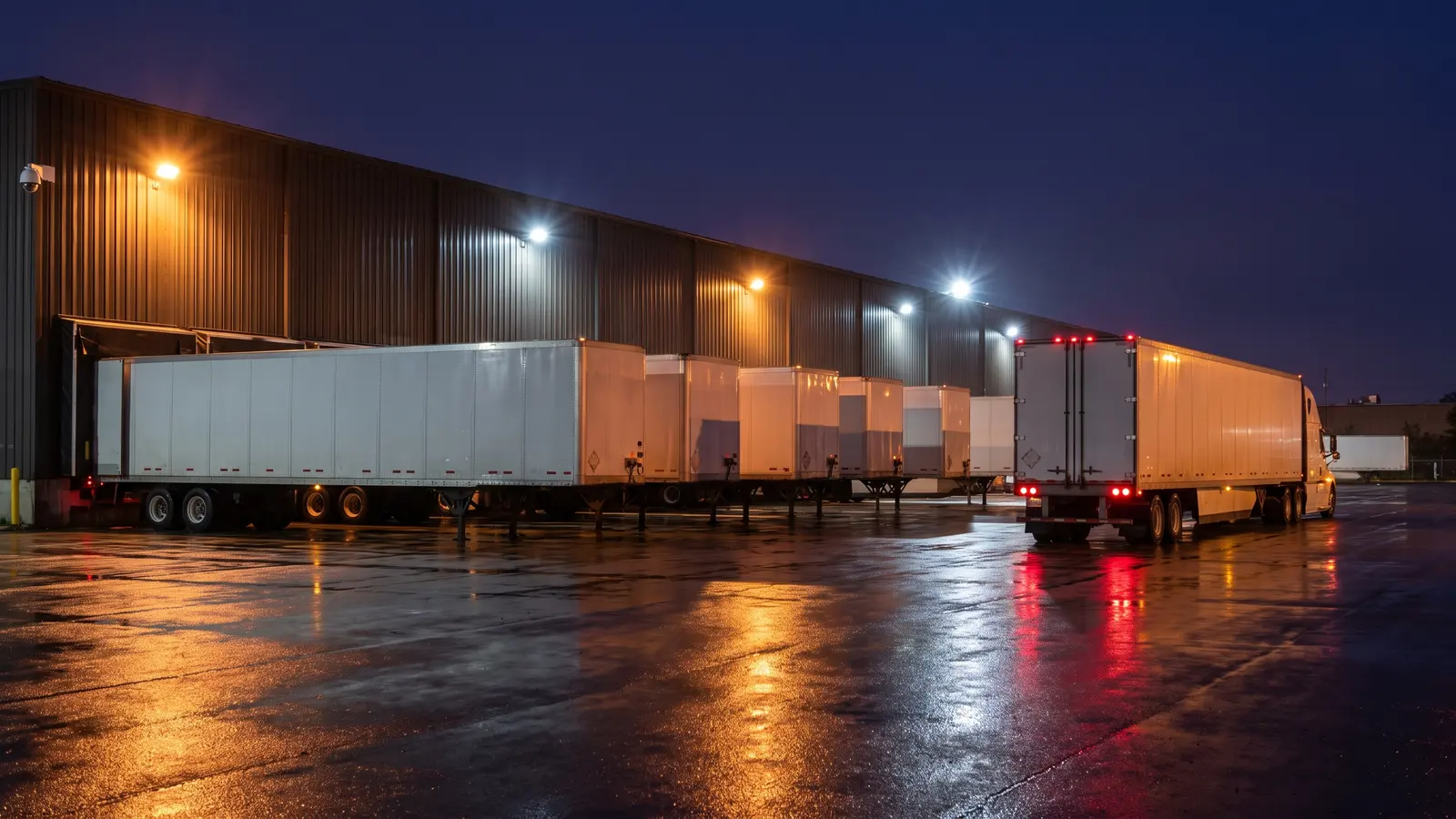
Cargo theft is costing more even as the number of reported thefts falls. CargoNet estimated about $725 million in U.S. and Canadian cargo theft losses in 2025, up 60%, with the average theft worth $273,990. In the second quarter of 2026, reported incidents fell 26% from a year earlier while losses more than doubled to $304.6 million.
How much cargo theft was reported in 2025?
CargoNet recorded 3,594 supply chain crime events in the United States and Canada in 2025, almost the same as 3,607 in 2024. Confirmed cargo thefts rose 18% to 2,646. Estimated losses rose 60% to nearly $725 million, and the average value per theft rose 36%, from $202,364 to $273,990.
What changed most was what thieves took:
- Food and beverage: 708 thefts, up 47%
- Metals: up 77%, driven mostly by copper
- Enterprise computer parts and cryptocurrency mining hardware: increasingly targeted, according to CargoNet
- Consumer electronics such as TVs and computers: down
California was hit hardest, with 1,218 incidents. Reported thefts also rose in New Jersey (up 50%), Indiana (up 30%) and Pennsylvania (up 24%).
Is cargo theft going up or down?
The number of reported thefts is going down while the dollar losses are going up. CargoNet counted 767 events in the first quarter of 2026, down 5.3% from a year earlier, with losses of $131.6 million, about flat. In the second quarter it counted 677 incidents, down 26%, while losses rose to $304.6 million from $135.7 million.
CargoNet put the average second-quarter theft at $564,009 among thefts with a reported value, and noted that a few multimillion-dollar losses pushed that number up. Metal thefts rose from 54 to 80 in the quarter. CargoNet also said business email compromise was the main way into the more sophisticated schemes. That fits the FBI's warning about cyber cargo theft.
What is strategic cargo theft?
Strategic cargo theft is theft by deception. Instead of breaking into a trailer, criminals pose as a legitimate carrier or broker, often with a stolen identity or fake paperwork, and get someone to hand over the freight. The FBI describes four types of cargo theft:
- Straight theft: physically stealing a trailer, a load or a truck
- Strategic theft: using fraud and deception to trick shippers, brokers or carriers into handing over cargo
- Cyber theft: using computer intrusions, phishing or account takeovers
- Pilferage: stealing part of a shipment
The most common strategic theft is the fictitious pickup. NICB describes it as criminals posing as legitimate carriers or logistics companies, sometimes with fake documents or stolen carrier identities. The truck that shows up looks right, the paperwork looks right, and the freight never arrives.
What freight do cargo thieves target most?
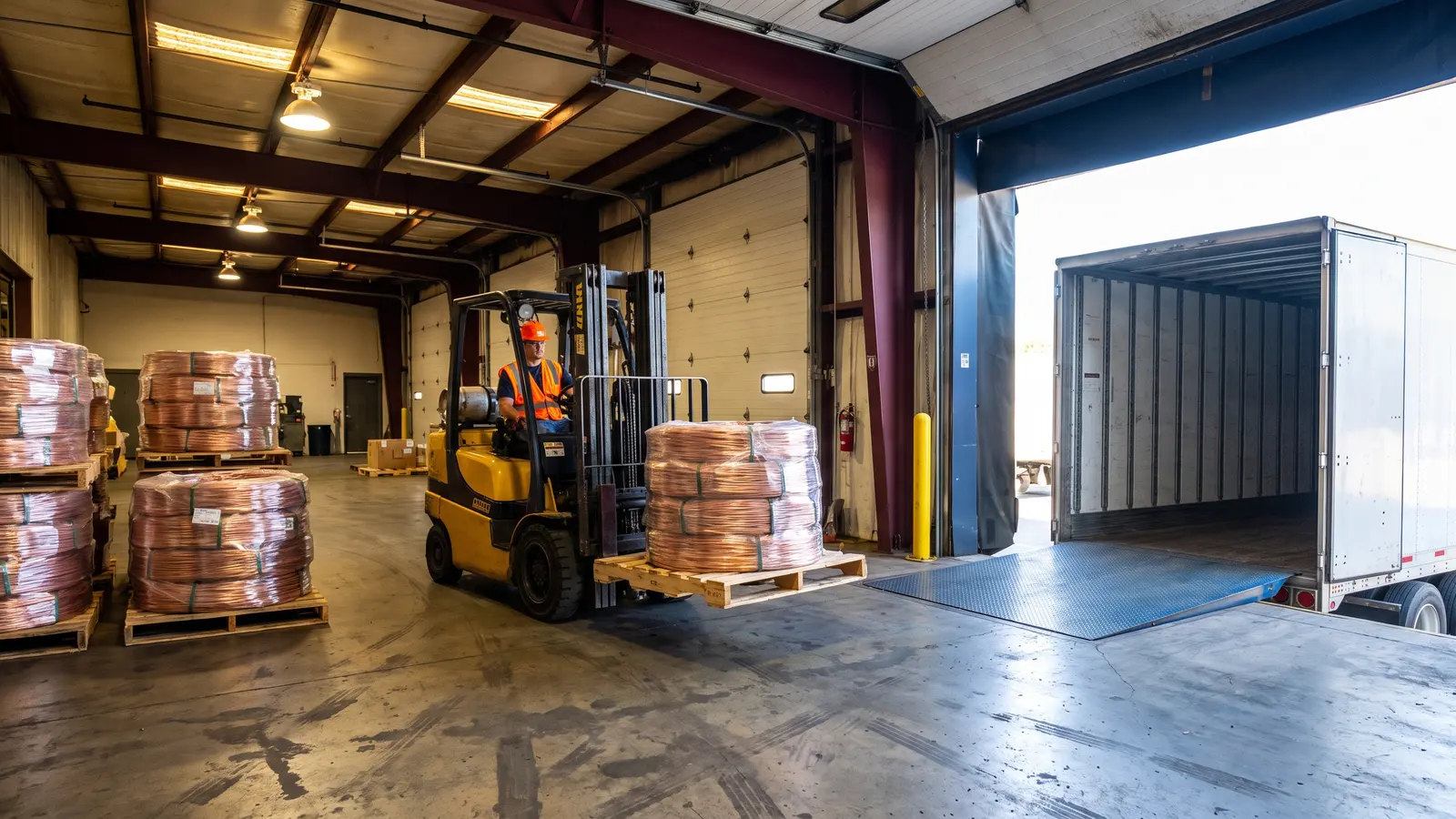
Cargo thieves go after freight they can resell quickly. NICB lists electronics, food and beverage, pharmaceuticals, apparel and footwear, alcohol and tobacco, and building materials as common targets. CargoNet's data adds metals, especially copper, and high-value computer hardware. Food is attractive because it is hard to trace once it is sold.
Where and when does cargo theft happen most?
NICB names California, Texas, Illinois, Florida and Washington as the most affected states. Holiday weekends and the fourth-quarter shipping season are higher-risk times, because loads sit longer and fewer people are watching. Freight left unattended in a yard or truck stop over a long weekend is the classic target for straight theft.
Strategic theft doesn't depend on location in the same way. A load can be stolen through an email before the truck ever reaches the shipper.
What should a carrier do if a load is stolen?
Report it right away and keep every record. Call local police and get a report number. Report online fraud or account takeover to the FBI at ic3.gov or your local FBI field office. Notify your insurer, the broker or shipper, and your factoring company. Save ELD and GPS records, the bill of lading, rate confirmation, emails, texts and photos from pickup.
Don't assume the company named on the paperwork is the thief. FMCSA points out that the real broker or carrier may be a victim of identity theft too. If you end up in a dispute over the load or the payment, you can file a free complaint, and our guide to double brokering explains how to map who actually contracted and hauled the load.
For more on how big these numbers really are, see what the freight fraud statistics actually show. Carriers building better theft and compliance habits can get help from Logistical Forwarding Solutions, and dispatchers and brokers in training can learn the industry side at Freight University.